




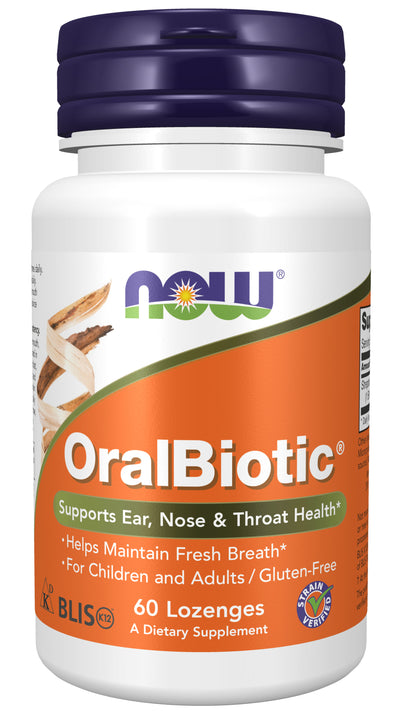


Are Probiotics Worth Taking? A Practical Guide
A probiotic label can look reassuring: billions of live cultures, a familiar health claim, and a promise of digestive balance. But are probiotics worth taking? For many people, they can be a useful option for specific goals. They are not a universal fix for bloating, irregularity, or every immune concern, and the right product depends more on the strain and your reason for taking it than on the biggest CFU number on the bottle.
What probiotics actually do
Probiotics are live microorganisms intended to support a healthy balance of microbes in the digestive tract. The most common supplements contain strains from the Lactobacillus and Bifidobacterium groups, although yeast-based options such as Saccharomyces boulardii are also available.
Your digestive tract already contains a large and varied microbial community. Food choices, stress, travel, illness, aging, medications, and especially antibiotics can affect that community. A probiotic does not permanently replace your existing gut bacteria. Instead, it may have a temporary effect while you take it, supporting certain functions in the gut or helping restore balance after a disruption.
That distinction matters when shopping. “Probiotic” is a category, not a single ingredient with one predictable effect. Results seen with one strain do not automatically apply to every product that contains a similar species.
Are probiotics worth taking for your goal?
The best answer is usually: possibly, if you have a clear reason to try one and choose it carefully. A targeted trial makes more sense than adding a random high-potency formula to an already crowded supplement routine.
Digestive comfort and regularity
This is the most common reason people consider probiotics. Some people find that a well-matched product supports occasional gas, bloating, abdominal discomfort, or irregular bowel habits. Others notice little change, particularly when symptoms are tied to food intolerances, constipation from low fiber intake, medication side effects, or an underlying digestive condition.
A probiotic is most likely to be worthwhile when it is part of a broader digestive routine. Adequate fluids, gradual fiber intake, regular meals, movement, and attention to trigger foods still matter. If you begin a probiotic while also making several major diet changes, it can be difficult to tell what is helping.
After antibiotics or during travel
Antibiotics can be necessary and valuable, but they may also affect helpful gut microbes along with the bacteria being treated. Some people use probiotics during or after an antibiotic course to support digestive comfort. If you take one at the same time as an antibiotic, spacing the probiotic several hours away may be practical, though directions from your prescriber and the product label should come first.
Travel is another reasonable use case, especially for people whose digestion is sensitive to changes in routine, food, sleep, and stress. Start before the trip rather than trying a new product in the middle of a problem. Keep in mind that safe food and water practices remain more important than any supplement.
Immune and everyday wellness support
Because much of the immune system is connected to the gut, probiotics are often included in daily wellness routines. Certain strains have been studied for immune-related benefits, but a probiotic should not be viewed as protection from infection or as a substitute for sleep, nutritious meals, vaccines, handwashing, or medical care.
For generally healthy adults, the value may be convenience and consistency. A daily formula can be a sensible addition if it agrees with you, fits your budget, and supports a goal you can actually evaluate. It is less compelling if you are taking it only because it sounds broadly healthy.
How to choose a probiotic without getting lost in the label
The supplement aisle includes single-strain products, broad-spectrum blends, refrigerated formulas, shelf-stable capsules, powders, gummies, and foods with added cultures. More options can be helpful, but they make label reading essential.
Start with the strain identification. A complete label may list a genus, species, and strain, such as Lactobacillus rhamnosus followed by letters or numbers. That final strain designation is useful because research is often strain-specific. A label that only says “proprietary probiotic blend” provides less detail for comparison.
Next, review the CFU count, meaning colony-forming units. Higher is not automatically better. A few billion CFUs of a studied, stable strain may be more useful than a very high count from an unclear blend. Look for a count guaranteed through the expiration date, not just at the time the product was manufactured.
Storage is another practical factor. Some probiotics need refrigeration to maintain potency, while others are designed to stay stable at room temperature. Choose a format you can store correctly and take consistently. For frequent travelers or busy households, a shelf-stable capsule may be easier to use than a refrigerated product.
Also consider added ingredients. People managing allergies, sensitivities, or specialized dietary patterns may prefer formulas without common allergens, dairy, gluten, or unnecessary sweeteners. Delayed-release capsules may appeal to shoppers seeking a product designed to better withstand stomach acid, although they are not required for every person or formula.
At Better Health International, shoppers can compare probiotic options by digestive health needs, preferred format, ingredient profile, and trusted brand, rather than relying on one-size-fits-all claims.
Give a probiotic a fair trial
If you decide to try a probiotic, use one product at a time. Take it as directed and give it a reasonable trial, often two to four weeks for an everyday digestive goal. Keep a simple note of what you want to improve, such as frequency of discomfort, bowel regularity, or how you feel after meals.
A small amount of temporary gas or digestive change can occur when starting a probiotic. Starting with the label dose and avoiding multiple new gut-health products at once can make that adjustment easier to interpret. If symptoms become uncomfortable, stop taking it and speak with a healthcare professional.
If you do not notice a meaningful benefit after a fair trial, it is reasonable to discontinue it or consider a different strain selected for a more specific purpose. Continuing an expensive supplement that is not helping is not a requirement for “good gut health.”
Food still belongs in the conversation
Fermented foods such as yogurt with live cultures, kefir, sauerkraut, kimchi, and miso can provide live microbes, though the types and amounts vary widely. Prebiotic foods are just as relevant. These are fibers that help nourish beneficial gut bacteria and include foods such as oats, beans, onions, garlic, bananas, asparagus, and many fruits and vegetables.
For some people, rapidly increasing fiber or fermented foods can worsen bloating. Go slowly, especially if your digestion is already sensitive. A supplement can offer a more consistent strain and dose, while food supports overall nutrition and a diverse eating pattern. They can work together, but neither needs to be treated as an all-or-nothing choice.
When to check with a healthcare professional
Most healthy people tolerate probiotics well, but they are not appropriate for everyone. Get personalized guidance before using one if you are severely immunocompromised, critically ill, have a central venous catheter, are recovering from major surgery, or are considering a product for an infant or child with complex medical needs.
Persistent or severe digestive symptoms deserve medical attention rather than repeated supplement experiments. Contact a healthcare professional for blood in the stool, unexplained weight loss, fever, persistent vomiting, severe pain, dehydration, symptoms that wake you at night, or a major ongoing change in bowel habits.
The most useful probiotic is not necessarily the strongest or most expensive one. Choose a clearly labeled formula for a specific need, use it consistently for a short trial, and let your own response guide the next step.


Leave a comment